

Generation Performative

Wait, don’t eat yet! The camera eats first!

How many times have you heard your girlfriend say that when you go out to eat? I can’t deny it. I’m guilty of it. Halting all operations, including eating, until I get an aesthetically pleasing shot. Half the time I hated the restaurant, hated the price, and hated the company with me. But no one could tell by the lifestyle photoshoot I curated for it. A photoshoot I’ll psych myself out of posting because I’m so worried about my perception online. Instead, I’ll just reminisce on the photos in my archive because they’re evidence that I’m somehow thriving in my 20s during a recession.
After reading this article, I couldn’t help reflecting on my performative tendencies. Good food, good friends, and good nights, but none of it mattered unless captured.

Enter performativity, the intersection of anxiety over missed milestones and belief that actions indict reality.
And why do I do this? Perhaps because of the isolation of COVID-19 during the start of my 20s, I do feel the urge to recreate memories I believe I ought to have. All of the memories and events promised to me as a growing lady that I will experience when I’m older from shows like Gossip Girl, Victorious, and V.P. Jackson, such as good friends, fun parties, and great memories. Our presence online has morphed into an extension of our real-life identity. Everything we know is through a screen at this point; how do you constantly cull out what’s real and what’s not? Lived experience has to be packaged into a video, a niche, and a hashtag for it to appear real.
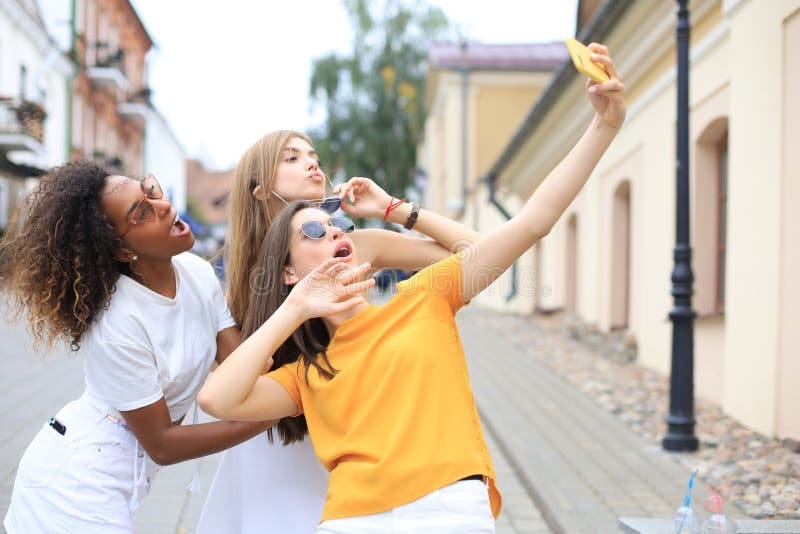
Digital performance is a contradiction, however. Social media is constructed but yet feeds us a hyper-curated fantasy. Our digital persona becomes a caricature. What’s crazy is these internalized ideals feel like natural truths, like how our lives should look, when really, they’re just norms that have taken hold so deeply we mistake them for our essence. Like feminist philosopher Judith Butler said, an act is performative if it produces a series of effects, because the acts are continuously constituting the identity. If the act of uploading a story of you dancing at the club, eating delicious food abroad, or having a luxury bag on your shoulder makes you appear like you lived life, then one could say that this is upholding this identity of someone who lived a full life.

Now you might say, Couture, don’t we all perform for social capital? Isn’t that just human nature? And yes, technically—but that doesn’t make it right. When performance becomes currency, we lose track of who we are when we’re not being watched. It becomes an endless cycle of managing perception and wondering whether you’re a person or a character.
True liberation begins where the platform ends. Where the mic drops. Where you walk off the stage entirely. And the only real escape is to stop playing. To have real conversations, get embarrassed, form messy friendships, and make mistakes offline. To grow in reality, not on the For You page.